


“Essential Reading – Part 3 (Midnight Edition)”
Part 3 is about learning to analyze logs. This is where preparation and simming turn into real improvement: you review what happened in your pull, identify mistakes, and build a plan for the next raid night.
This guide focuses on a modern Warcraft Logs workflow that stays useful across tiers and expansions. We avoid old tier-specific examples and instead show a repeatable method you can apply to any boss, any role, and any progression level.
Contents
Learn to Analyze
1. Introduction
Improvement in raiding rarely comes from one big revelation. It usually comes from repeated review: understanding why a pull failed, what you did well, and what needs to change next time. Logs are one of the best tools for that work.
Warcraft Logs helps you answer practical questions: Did we die to mechanics or throughput? Did I use my cooldowns on time? Was my uptime good? Did I swap to priority targets quickly enough? Did our strategy create unnecessary losses?
This guide will focus on the basic skill first: reading the information in a way that leads to improvement, not just rankings.
2. Learning to read the information
(We will use a generic raid-night workflow so you can apply it to any current tier.)
- Before analysis: make sure you are actually logging
- Finding the report and the pull you care about
- Why did we wipe at 35%?
- Why was my damage low on priority targets?
- Why did healer cooldowns feel weak in phase 2?
- Why did I die even though I thought I was safe?
- Start with the Summary, then move to the right tab
- Deaths: best place to start for wipes and personal mistakes
- Damage Done / Healing: throughput and target priorities
- Damage Taken: avoidable damage patterns and defensive usage context
- Casts / Buffs / Debuffs: cooldown timings, rotational gaps, uptime
- Interrupts / Dispels: assignment execution
- Replay: positioning, movement, add spawns, spacing mistakes
- Overall damage vs target damage (priority matters more)
- Who hit the priority add?
- Who swapped late?
- How much boss damage was lost during add waves?
- Was the raid over-padding irrelevant targets?
- Casts, cooldowns, and uptimes
- Missed or delayed cooldown uses
- Low uptime on core buffs, debuffs, or DoTs
- Long gaps with no casts (movement, hesitation, mechanic handling)
- Wrong spell usage patterns for the encounter type
- Replays (positioning and movement mistakes)
Enable Advanced Combat Logging in WoW (System/Options), then start logging in-game with /combatlog before raid. If your guild uses Warcraft Logs Live Logger or an uploader after raid, confirm who is responsible for uploads.
If you are not sure whether a night was logged, start at https://www.warcraftlogs.com and search for your guild, raid leader, or your own character.

Select the guild and, voilà, you’re on the guild’s logs calendar.
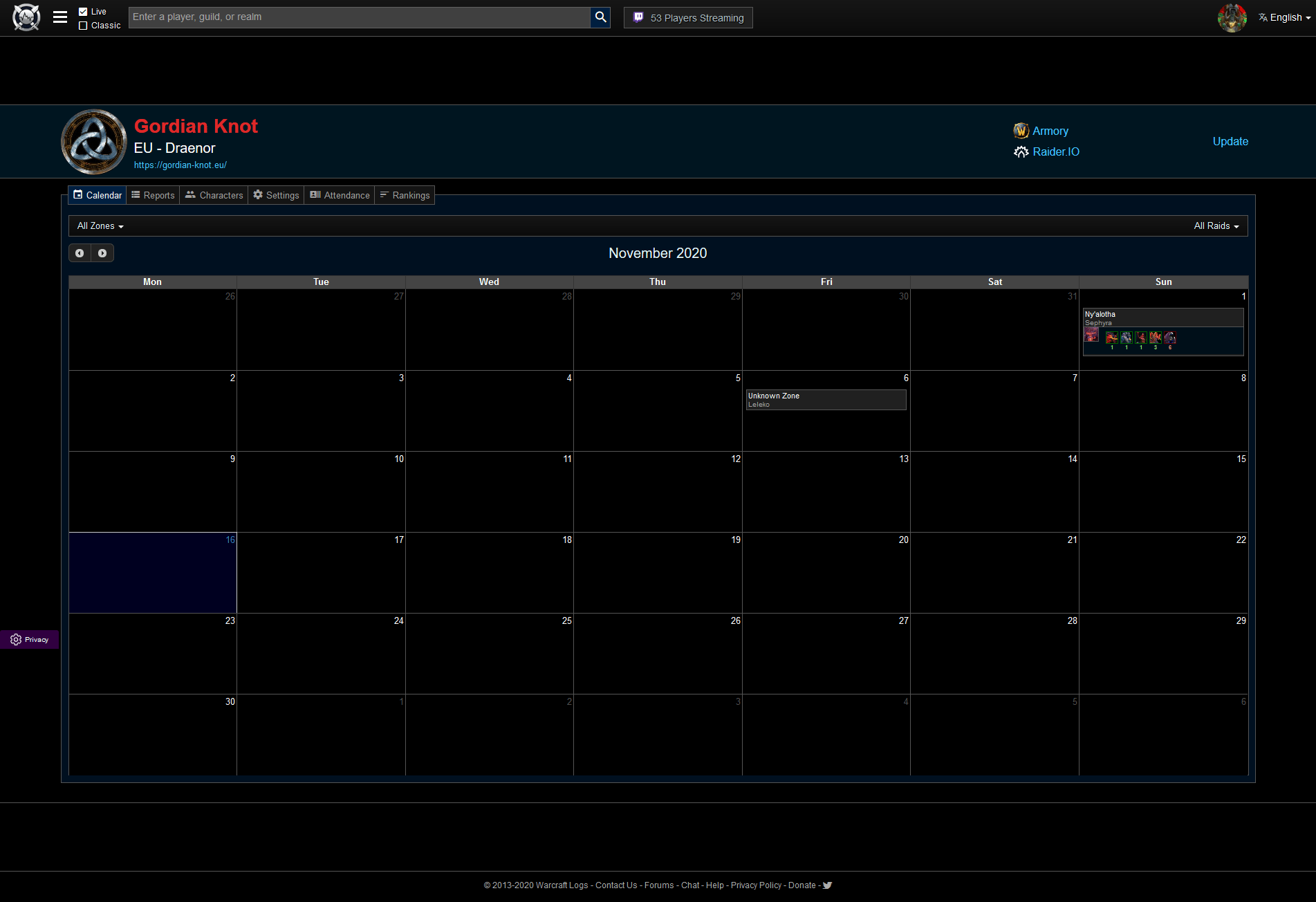
Once you open a report, pick the correct boss pull first. This sounds obvious, but many bad conclusions come from reviewing the wrong attempt (farm kill instead of progression pull, a wipe instead of the kill, or a very different strategy pull).
Start with one specific question, for example:
Logs are much easier to use when you ask targeted questions instead of opening the report and staring at rankings.

The Summary page is useful for quick context: raid composition, specs, talents, item levels, and broad fight information. This helps explain differences before you jump to conclusions (different talents, assignment roles, or fight timings can change expected output significantly).
From there, move to the tab that matches your question:
One of the most common mistakes is judging a pull only by overall DPS/HPS. Many encounters reward priority damage, controlled add kills, or holding cooldowns for specific timings. A player can look worse on overall and still be the one doing the most important work.
Use target filters and per-target views to answer questions such as:
This is one of the most valuable habits you can build early: evaluate what the fight needed, not just what the meter shows.
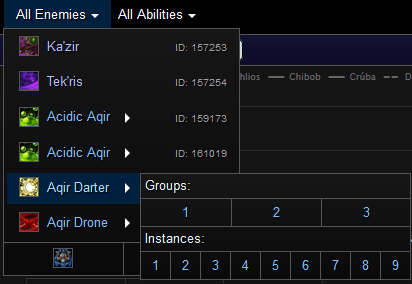
The Casts and Buffs tabs are often where personal improvement becomes clear. Look for:
Do not only compare against a “top parse.” Compare against your own better pulls first. Small improvements in uptime and cooldown timing are often the easiest wins.
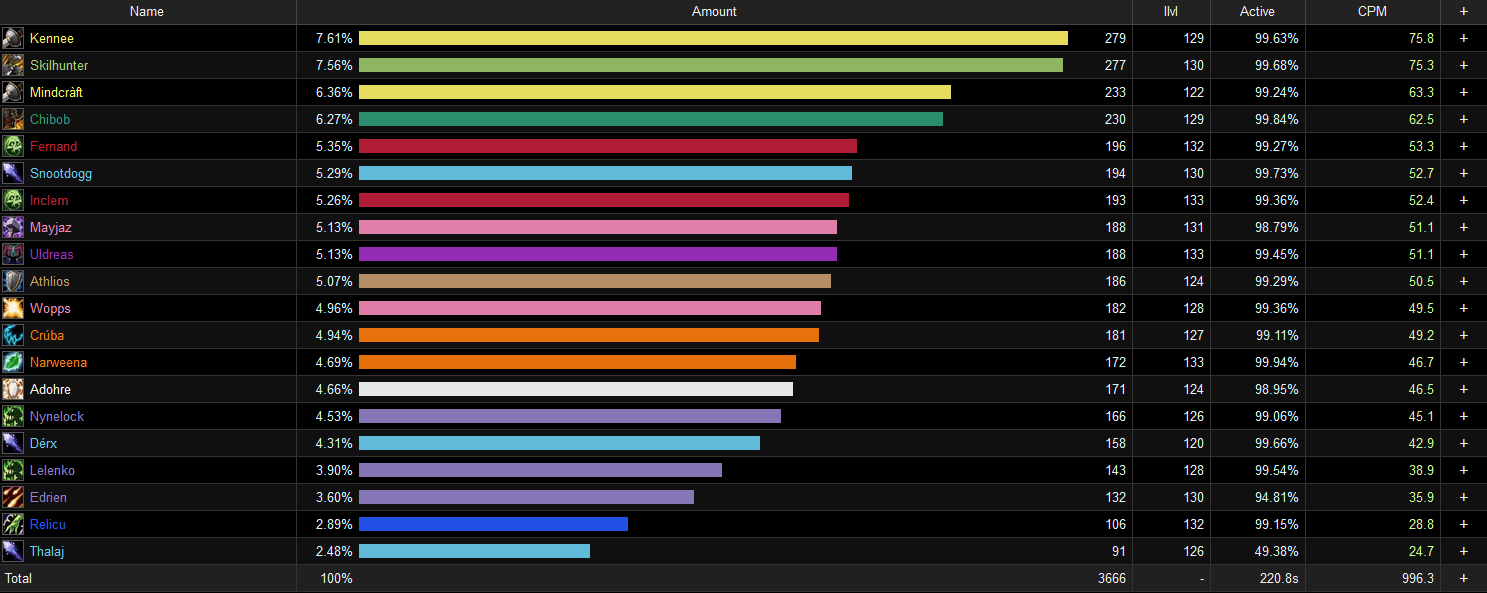
Replays give a bird’s-eye view of the fight and are extremely useful for understanding positioning problems, spread failures, late movement, deaths to mechanics, and pathing issues during add spawns.
If a death looks “random” in the Deaths tab, open the Replay and check what was happening around your character 2-5 seconds before it happened.

3. Improving by comparing logs
- Competition is useful when it stays productive
- Finding the right comparison (your real “opponent”)
- Same class and specialization
- Similar kill time (very important)
- Similar item level range
- Similar target profile / strategy if possible
- Recent logs (balance and builds change quickly early in a tier)
- What to compare first (best order for improvement)
- Deaths and near-deaths (did you survive mechanics?)
- Mechanic execution (soaks, interrupts, dispels, target swaps, movement)
- Cooldown timing (major offensive/defensive windows)
- Uptime and cast gaps
- Damage/healing breakdown
- Parse/rank only after everything above
- Compare tools and side-by-side review
- A note on parses, ilvl parses, and reality
Competing can be healthy if it pushes you to prepare, improve, and execute better. It becomes harmful when it pushes you to ignore mechanics, pad irrelevant targets, or break assignments for rankings.
Use logs to compete with your previous self first, then with players of the same class/spec in similar conditions.
The best comparison is usually not rank 1. It is a player with a similar kill time, similar encounter strategy, similar role/assignments, and roughly comparable gear/talent setup.
When looking for a comparison, filter for:
If the fight length or strategy is very different, many cooldown timings and damage patterns will not be comparable.
A practical comparison order that works for most players:
This order prevents the most common trap: chasing rankings before fixing the mistakes that are actually costing kills.
Warcraft Logs offers compare features and ranking filters that let you review two players or two pulls side-by-side. This is very useful when you want to explain why one player performs better with the same class/spec, or why your own kill pull differs from your best wipe pull.
A useful approach is to compare one category at a time (casts, buffs, target damage, deaths) and write down only 1-3 actionable differences. Too much information at once usually leads to no change at all.

Parses are a useful signal, not a final judgment. They can be heavily affected by kill time, raid strategy, assignment load, target availability, external buffs, and progression decisions.
Ilvl-based comparisons are often more useful than raw rankings, but even those need context. A player doing a mechanic-heavy assignment may parse lower while still being more valuable to the kill.
If your logs show clean mechanics, strong cooldown usage, and good uptime, you are usually on the right path even before the parses catch up.
4. A simple post-raid review routine
If you are new to logs, keep the process simple and repeatable. After raid, review one boss and answer these questions:
- Did I die? If yes, exactly why?
- Did I complete my assignments correctly?
- Did I use my major cooldowns when planned?
- Where did I lose uptime?
- What is one thing I will change next raid?
Do this every week and you will improve faster than players who only look at rankings.
Midnight note: with stronger base UI tools and Blizzard’s built-in alerts/meters, execution mistakes can become even easier to spot in logs. Use that to your advantage: simplify your setup, then review your decisions honestly.
The goal is not to become obsessed with numbers. The goal is to build a reliable process: prepare before raid, execute during raid, review after raid, and return better next week.
Welcome to Gordian Knot!
Athlios
Thanks to everyone who helped shape the original guide and everyone still helping raiders improve today.